
Catering Marketing: How to Get More Catering Orders Online
How catering companies win more event bookings and online orders with a website that takes payments, local Google ads and Facebook and Instagram ads.
By the e50 Ads team. Published . 5 min read.
Key takeaways
- Catering has two kinds of customers, event bookings and everyday orders like boxes and trays, and both now start online.
- A website with online ordering and payments turns browsers into paid orders without phone tag.
- Facebook and Instagram ads work well for food because people buy with their eyes; Google search catches people planning an event right now.
- Measure cost per lead and cost per order, not likes, and move budget toward what fills the kitchen.
- A New Jersey caterer we work with gets leads from Facebook and Instagram at $19.70 each with a 4% click-through rate.
In this guide
- Know which customer you are marketing to
- Build a website that takes orders
- Use Facebook and Instagram to make people hungry
- Use Google to catch people planning now
- Build a brand, not just a menu
- Track what fills the kitchen
- Which channel does what
- Common catering marketing mistakes
- A 90-day plan for a catering business
- A New Jersey caterer that moved its orders online
Catering used to run on word of mouth and phone calls. Today, the person planning an office lunch, a baby shower or a wedding usually starts on their phone: they search, scroll Instagram, look at menus and prices, and contact the two or three caterers that look best.
This guide covers how catering businesses can turn that online search into more event bookings and more online orders.
Know which customer you are marketing to
Most caterers serve two different customers:
- Event clients: weddings, corporate events, parties, holidays. High value, planned weeks or months ahead, usually involving a conversation and a custom quote.
- Everyday orders: office lunches, party trays, gourmet boxes, delivered meals. Smaller, frequent, often ordered a day or two ahead, and best served by ordering online.
Each needs a different path. Event clients need trust, a portfolio and an easy way to request a quote. Everyday customers need a menu, a price and a checkout button.
Build a website that takes orders
A catering website should do more than look good. It should sell.
- Menus with prices, or clear starting prices for packages.
- Online ordering and payment for standard items like trays, boxes and set menus.
- A quote request form for events, asking just enough to reply properly: date, number of guests, type of event.
- Delivery area and lead times, so people know right away if you can serve them.
- Great food photography on every page.
- Reviews and logos of companies you have catered for, if you have permission.
Online payments change the economics of small orders. Instead of a phone call for every tray, customers order and pay at midnight, and you wake up to confirmed orders.
Use Facebook and Instagram to make people hungry
Food is one of the most visual products there is, which makes social ads a natural fit:
- Show the food close up, plated and in context, at a real event or on an office table.
- Lead with a specific product or package: a holiday party menu, a gourmet box, an office lunch bundle.
- Target locally, matched to your delivery area.
- Plan around the calendar: holiday parties, graduation season, wedding season, back-to-office months.
- Retarget people who viewed your menu or started an order.
An active Instagram and Facebook page supports every ad. Behind-the-scenes preparation, new dishes and photos from events show that you are busy and trusted. TikTok can add reach if you can produce short preparation videos regularly.
Use Google to catch people planning now
Someone searching "catering near me", "office lunch catering" or "wedding caterer" plus your town is planning an event right now. Search ads and a strong Google Business Profile put you in front of them at that moment.
Keep campaigns focused on what you do best and where you deliver. Use location targeting that matches your delivery area, and send each search to the most relevant page, the event catering page for event searches and the online menu for order searches. If you sell standard products online, shopping campaigns can show them with photos and prices.
Build a brand, not just a menu
Many caterers compete on price because customers cannot tell them apart. A recognizable brand, with consistent visuals, a clear specialty and a name people remember, lets you compete on something else. Some caterers go further and launch a product line, such as branded boxes or gift sets, that customers can order any day of the year.
Track what fills the kitchen
- Leads: quote requests and inquiries, by channel.
- Online orders and revenue.
- Cost per lead and cost per order for each campaign.
- Click-through rate, to see which food and offers catch attention.
Move budget toward the products and channels that produce orders, not the ones that produce likes.
Which channel does what
| Channel | Best for | What to measure |
|---|---|---|
| Website with online ordering | Everyday orders, quote requests, trust | Orders, revenue, quote requests |
| Google search and Maps | People planning an event or lunch right now | Calls, quote requests, cost per lead |
| Facebook and Instagram ads | Creating demand with food visuals, seasonal menus | Cost per lead, cost per order |
| Instagram, Facebook and TikTok pages | Proof that you are busy and trusted | Messages, saves, profile visits |
| Shopping campaigns | Standard products with fixed prices | Orders, return on ad spend |
Common catering marketing mistakes
Hiding prices. Many caterers worry that showing prices will scare people away. In practice, customers who cannot find a price often leave and contact a competitor who shows one. Even "packages from" or a per-guest range filters out poor fits and speeds up the decision for good ones.
Sending every ad to the homepage. A person who clicked an ad for a holiday party menu should land on that menu, with a way to order it. Every extra click between the ad and the order loses customers.
Answering inquiries the next day. Event planners usually contact several caterers at once. The first one to reply with a clear answer and a price range often wins the booking. A fast reply is free and often beats a lower price.
Posting only finished dishes. Plated food is essential, but preparation, the team and the events themselves give people a reason to trust you with their guests. Mix both.
Treating marketing as a holiday-season project. Catering demand has peaks, but the caterers who get booked during the peaks are the ones people already know. Steady posting and an always-on base of ads keep your name in front of customers between seasons.
A 90-day plan for a catering business
Days 1 to 30: fix the foundation. Update the Google Business Profile with photos, menus and hours. Get menus, prices or starting prices, and online ordering on the website. Set up tracking for orders, calls and quote requests. Plan a month of social content.
Days 31 to 60: start the ads. Launch Google search ads for your main catering searches in your delivery area, and Facebook and Instagram ads for one or two best-selling packages. Retarget people who viewed the menu. Review results weekly and cut what does not produce leads.
Days 61 to 90: scale what works. Move budget toward the products and campaigns with the lowest cost per order. Prepare campaigns for the next seasonal peak several weeks ahead. Ask every happy client for a review and a photo you can share.
A New Jersey caterer that moved its orders online
MFood, a catering company in New Jersey, had a limited digital footprint in a competitive local market, and its social media engagement was not turning into orders.
We launched a new website with online payments and delivery ordering, managed its Instagram, Facebook and TikTok, built local content and a new online brand line, and ran Google search with local Maps targeting alongside Facebook and Instagram and shopping campaigns. Social ads brought in leads at an average of $19.70 with a 4% click-through rate. Google ads delivered clicks at an average of $0.32. Across Google and Facebook, the average click-through rate was 1.5%. Online orders and event bookings grew significantly.
The recipe is simple: make the food look irresistible, then make ordering it effortless.
Frequently asked questions
- How do I get more catering clients?
- Be easy to find and easy to order from. Get a complete Google Business Profile, a website with menus, prices and online ordering, and an Instagram that shows your food well. Then run local Facebook and Instagram ads to your best-selling packages and Google search ads for event catering searches in your area.
- Should a catering business take orders online?
- Yes. Many customers want to see a menu, choose a package and pay without a phone call, especially for smaller orders like party trays and gourmet boxes. Online ordering with payment also cuts no-shows and back-and-forth.
- What is the best social media for catering businesses?
- Instagram and Facebook for most caterers, because they are visual and let you target local audiences. TikTok can work well for behind-the-scenes and preparation videos if you can produce short video regularly.
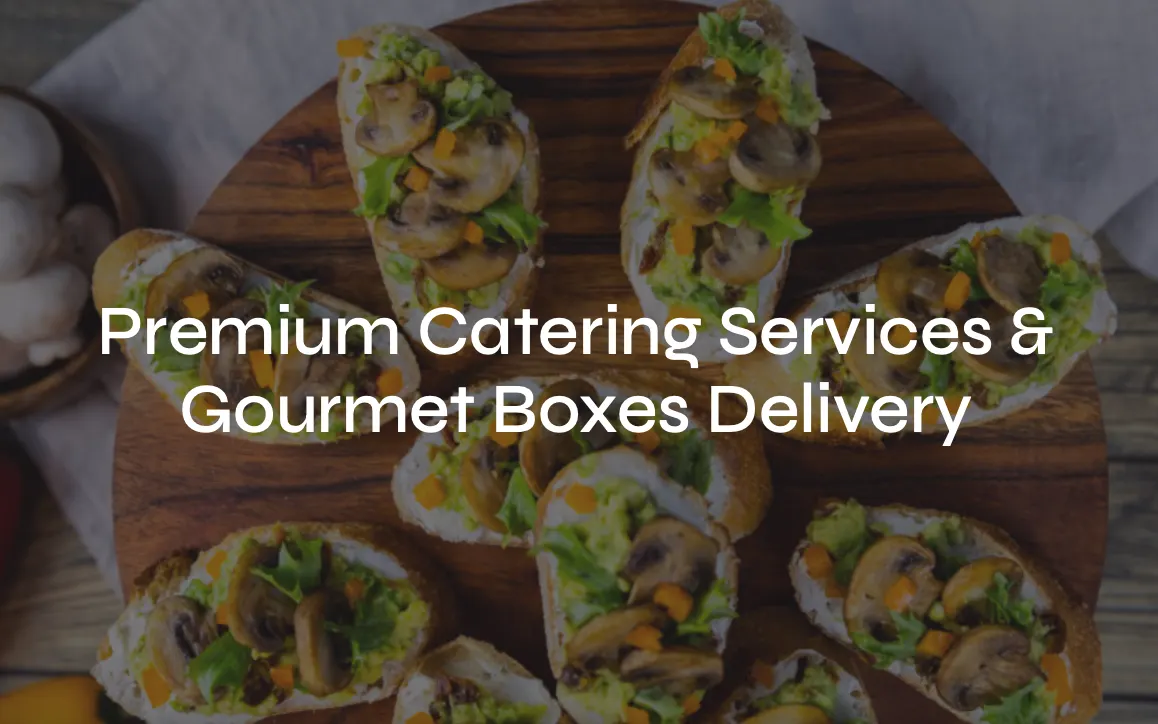
By the way, we have a case on this.
MFood, Catering service, New Jersey
A New Jersey catering company wanted to reach more local customers and start taking orders online.
- cost per lead on Facebook and Instagram
- $19.70cost per lead on Facebook and Instagram
- click-through rate on Meta ads
- 4%click-through rate on Meta ads
Results from individual client campaigns. They do not guarantee the same results for every business.
More guides
All articles- Beyond Amazon: Growing Your Own Online Store with Ads
How Amazon sellers can build a profitable online store of their own with Google Shopping and Facebook and Instagram ads, and raise ROAS month by month.
- How Personal Injury Law Firms Can Lower Their Cost per Lead
A playbook for personal injury firms to get more qualified case inquiries for less with Google Ads, Facebook and Instagram ads and a website that converts.
- How to Get Your Business Recommended by ChatGPT and AI Search
How small businesses can get mentioned when customers ask ChatGPT, Gemini, Claude or Perplexity for a recommendation, and how ads in ChatGPT work.